
Lesson 1: Tackling the Human Energy Crisis
We are currently experiencing a profound human energy crisis. Statistics reveal that approximately one in three individuals experiences fatigue on a regular basis. Similarly, one in eight people report feeling tired either most days or every single day. In professional settings, a staggering 76% of
We are currently experiencing a profound human energy crisis. Statistics reveal that approximately one in three individuals experiences fatigue on a regular basis. Similarly, one in eight people report feeling tired either most days or every single day. In professional settings, a staggering 76% of workers encounter burnout at least occasionally, with nearly one-third suffering from it very frequently or constantly.
This widespread exhaustion presents a puzzling paradox. As a society, we enjoy unprecedented wealth and prosperity. The physical labor required to secure basic sustenance like food has diminished dramatically compared to virtually any era in history. We are surrounded by an abundance of entertainment options and leisure pursuits. Moreover, for the majority of us, the bodily demands of our occupations have reached their lowest point ever recorded.
If you were to describe our contemporary lifestyles to someone transported from the annals of history, they would undoubtedly perceive it as a realm of unparalleled comfort and convenience. We possess appliances that automatically clean our clothing and utensils, plumbing systems that deliver fresh water directly into our residences without the need to fetch it from distant sources, office-based employment requiring minimal physical exertion, and meals conveniently brought to our doorsteps in edible form.
Nevertheless, substantial evidence suggests that these contemporary conveniences have not resulted in reservoirs of surplus vitality. Robert Hockey, a prominent researcher and author of The Psychology of Fatigue, posits that the very concept of fatigue—the distressing sensation of being utterly depleted—is a relatively recent phenomenon unique to modernity. Historical populations undoubtedly felt weary following labor-intensive days, but they lacked our contemporary afflictions such as chronic burnout and pervasive exhaustion.
Contemporary patterns underscore this issue vividly: the ubiquity of fatigue and burnout, escalating rates of energy-linked mental health conditions including depression and ADHD, and a surge in the intake of stimulants like coffee and energy drinks. All these indicators highlight fundamental flaws in our approaches to sustaining personal energy.
Why Are We So Exhausted?
This energy crisis stems from three primary underlying factors, each deeply intertwined with modern existence.
The first factor involves our modern lifestyles imposing severe strains on our biological systems. Artificial indoor illumination and round-the-clock digital entertainment severely disrupt natural sleep cycles. Sedentary routines erode our physical health and stamina. Diets that are excessive in calories yet deficient in essential nutrients leave us paradoxically overfed and malnourished. Persistent psychological pressures deplete both our physical reserves and mental resilience over time.
The second factor is our work culture, which is inherently unnatural and detrimental to well-being. Throughout most of human history, labor followed the natural ebbs and flows of exertion interspersed with recovery periods. For instance, hunter-gatherer societies expended intense effort for survival but incorporated ample rest intervals daily. In pre-electricity eras, productive hours concluded at dusk. Even medieval agrarian workers probably enjoyed more holidays and downtime than the average modern employee.
The third factor encompasses social shifts that have stripped much of the intrinsic purpose from our work. While premodern individuals rarely held idealized "dream" positions, they also avoided the meaningless "bullshit" jobs prevalent today. Traditional labor, no matter how arduous, aligned with a coherent worldview that satisfied deep psychological requirements. When severed from such context, we swing between unhealthy workaholism and escapist visions of flawless careers or premature retirement.
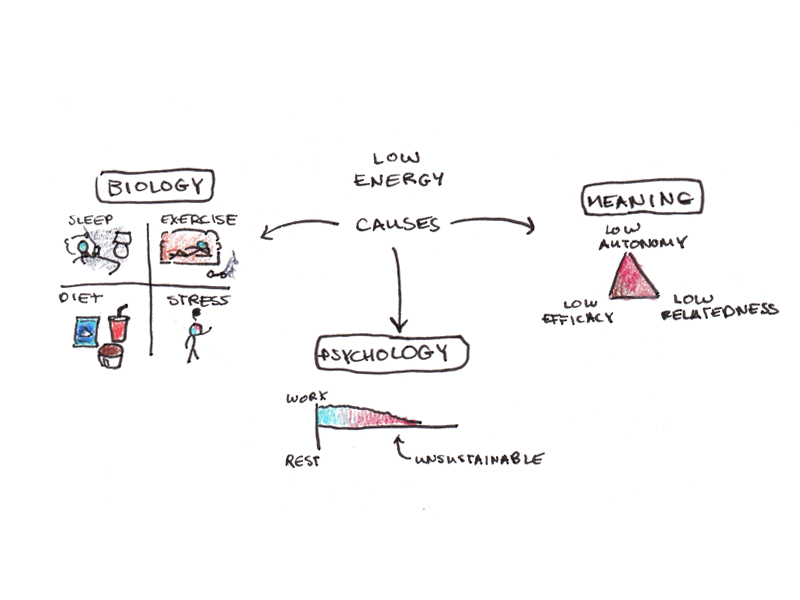
Collectively, these three dynamics ensure that, despite our material affluence and superficial ease, a significant portion of the population grapples with exhaustion and listlessness on a daily basis.
Mastering Energy Management for Enhanced Productivity and Well-Being
The societal forces fueling our depletion are immense and beyond individual control. Romanticizing bygone eras of simplicity offers no practical remedy—it's merely wishful thinking.
That said, it is entirely possible to adopt targeted practices that revive more natural and humane methods of energy stewardship, countering these overwhelming tides.
To counteract environments engineered to sap our biological energy reservoirs, we can proactively build new sources of fuel. Through intentional routines encompassing quality sleep, regular physical activity, mindful nutrition, and effective stress reduction techniques, we can replenish our innate capacities, enabling us to navigate life with renewed vitality and enthusiasm.
In response to ceaseless demands for extended, intensified labor, we can architect innovative flows of productivity. By designing balanced cycles that integrate focused effort with essential recovery phases, we sidestep burnout altogether—paradoxically achieving greater output in the process.
Amid jobs that lack fulfillment and deeper significance, we can foster opportunities to truly flourish. Rather than viewing work as a mere obligation or fixation, we have the power to select roles infused with purpose. Simultaneously, we can nurture mindsets that imbue even existing responsibilities with richer meaning and satisfaction.
Accomplishing these objectives demands commitment and effort, especially given the headwinds of prevailing cultural norms. However, they remain within reach for those who approach them with dedication and resolve.
Subscribe to the newsletter
Join 50,000+ others who get our content first. No spam, ever.