
Why Passive Relaxation Fails to Recharge Your Energy
The nature of our daily work significantly influences our overall energy reserves. When we labor continuously without much autonomy, especially in a hostile setting, we set ourselves up for inevitable burnout. However, our activities following the workday are equally crucial. Effective recovery duri
The nature of our daily work significantly influences our overall energy reserves. When we labor continuously without much autonomy, especially in a hostile setting, we set ourselves up for inevitable burnout.
However, our activities following the workday are equally crucial. Effective recovery during off-hours enables us to sustain peak energy levels, even amidst intense workloads.
In this installment of my ongoing exploration into energy management, I delve into how we spend our non-work time. Specifically, I examine the role of leisure choices in shaping the vitality we bring to our professional tasks.
Should You Unwind Passively or Dive into Engagement?
A key debate revolves around whether passive pursuits, such as lounging on the sofa while browsing social media or binge-watching shows, truly replenish energy more effectively than dynamic endeavors like pursuing hobbies, engaging in sports, or working on personal initiatives.
To address this, we first need to clarify the concept of "recovering" energy. Experts in the field delineate energy along two primary axes: fatigue and vigor.
Fatigue manifests as a profound sense of depletion, weariness, and emotional drain. From this perspective, prolonged work without sufficient breaks leads to mounting fatigue, which intensifies under conditions of high demand, exertion, or stress.
Vigor, on the other hand, represents a state of enthusiasm, immersion, and propulsion. It arises when our core psychological requirements—such as independence, authority, and social bonds—are fulfilled, making our efforts feel self-directed and purposeful.
While fatigue and vigor often inversely correlate—high fatigue typically pairs with low vigor, and vice versa—they remain separate constructs. It's possible to experience elevated levels of both, like during the intense final push in a marathon. Conversely, we might feel minimal fatigue alongside scant vigor, such as on a sluggish weekend morning when motivation to tackle household tasks is absent.
Recovery processes can influence fatigue, vigor, or a combination thereof, contingent on the specific recovery type. Studies categorize these into four fundamental categories:
- Detachment. Mentally disengaging from job-related pressures and anxieties once the workday concludes.
- Relaxation. Engaging in soothing practices that alleviate tension and promote calm.
- Mastery. Confronting challenges that hold personal significance and foster skill development.
- Control. Exercising freedom over how we utilize our leisure hours.
Note that these recovery experiences do not directly equate to specific leisure activities. Instead, they function as modular elements within various recovery scenarios. For example, viewing a film might deliver detachment and control without mastery, whereas playing tennis could provide detachment, mastery, and control, though perhaps not full relaxation.
A comprehensive meta-analysis revealed that detachment and relaxation correlate more robustly with diminished fatigue, while mastery and control show stronger ties to enhanced vigor.
This implies that combating exhaustion responds best to detachment and relaxation, whereas boosting motivation and drive requires addressing needs for competence and self-determination.
Strategies for Replenishing Energy During Downtime
Now, we turn to identifying leisure activities that reliably generate detachment, relaxation, mastery, or control.
Several consistent patterns surface from the research:
Not surprisingly, tackling household chores offers little in terms of energy restoration. These "duty-bound" tasks, even outside formal employment, mimic work-like obligations and fail to aid recovery.
Crucially, our subjective perception of these tasks outweighs their inherent qualities. For instance, parenting duties might feel delightful or oppressive—restorative or depleting—based on whether we relish time with our children or view it as a mandatory chore. Likewise, activities such as gardening, woodworking, or decluttering can transform into enjoyable hobbies.
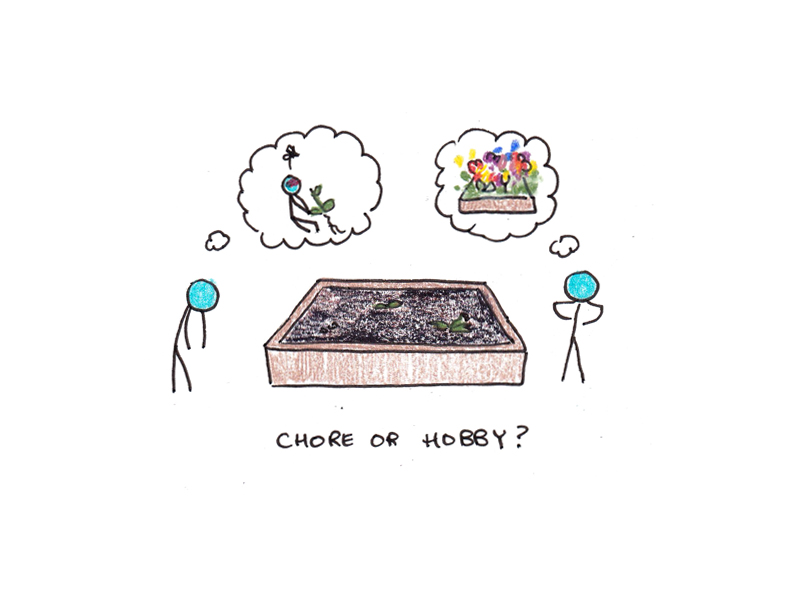
The pivotal divide between enriching "active leisure" and draining chores hinges on intrinsic motivation. This stems from whether the activity feels chosen freely, fosters positive interpersonal links, or delivers sensations of skill-building and achievement.
Research also underscores that while recovery experiences are valuable, they pale in comparison to the profound influence of quality sleep. Optimal rest exerts two to three times the impact of leisure-based recovery. Thus, lingering late into the night for one more TV episode might offer momentary relaxation, but it undermines gains by curtailing essential sleep.
Moreover, while screen-based relaxation—such as television viewing or digital device usage—can mitigate fatigue, it seldom boosts vigor. These pursuits rarely provide deep satisfaction or purpose. Therefore, channeling free time toward fulfilling fundamental psychological needs proves more effective for comprehensive energy renewal.
Additionally, incorporating physical exercise yields substantial benefits for energy restoration. This stems from both potent physiological mechanisms and the psychological advantages of varied recovery elements. While cognitively stimulating yet mostly stationary hobbies like artistry or culinary pursuits surpass pure passivity, integrating movement-oriented activities amplifies results even further.
Breaking Free from the Fatigue Spiral
For those grappling with persistent low energy, a common challenge emerges: superior leisure options demand greater initial effort.
This forms a perplexing paradox: energy scarcity prompts us toward minimal-effort pastimes. Yet, since these fail to meet profound psychological cravings, they offer scant invigoration.
This often compounds into a vicious cycle: acute workplace pressures overwhelm us, heightening the urgency of recovery. However, with diminished time and reserves, we default to passive leisure, skip exercise and social interactions, and suffer disrupted sleep due to stress. Consequently, a fleeting stressor morphs into a protracted exhaustion loop, potentially escalating to full burnout.
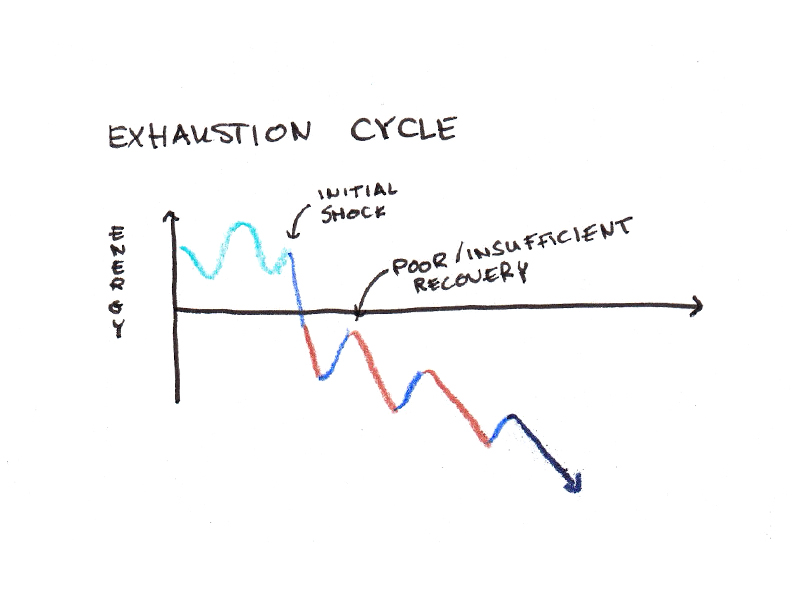
This dynamic highlights the fragility of our energy states to depleting cascades.
Yet, viewed optimistically, the cycle operates bidirectionally. Just as abrupt work surges trigger downward spirals, incremental positive shifts accumulate powerfully. Modest steps—like inserting short exercise sessions, dedicating moments to need-fulfilling pursuits over mindless scrolling, or prioritizing earlier bedtimes—build momentum, enabling larger energy investments with amplified rewards.
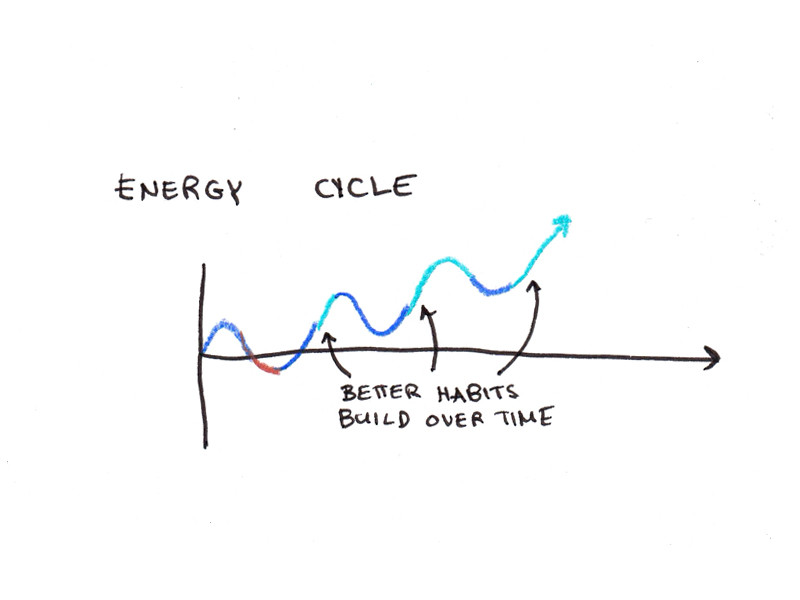
By initiating these changes, we shift from exhaustion's grip toward a virtuous cycle brimming with enthusiasm and vitality. The essential starting point lies in those initial, deliberate actions.
Subscribe to the newsletter
Join 50,000+ others who get our content first. No spam, ever.